
International primary school: a strong foundation, with a love of learning
In primary school your child comes to love reading, inquiry and learning. With the IB Primary Years Programme (at our Ataşehir, Bahçelievler and Bahçeşehir campuses) and Cambridge we offer an international foundation, and with dual foreign language and CAP a well-rounded development.
Curious, active, inquiring learners
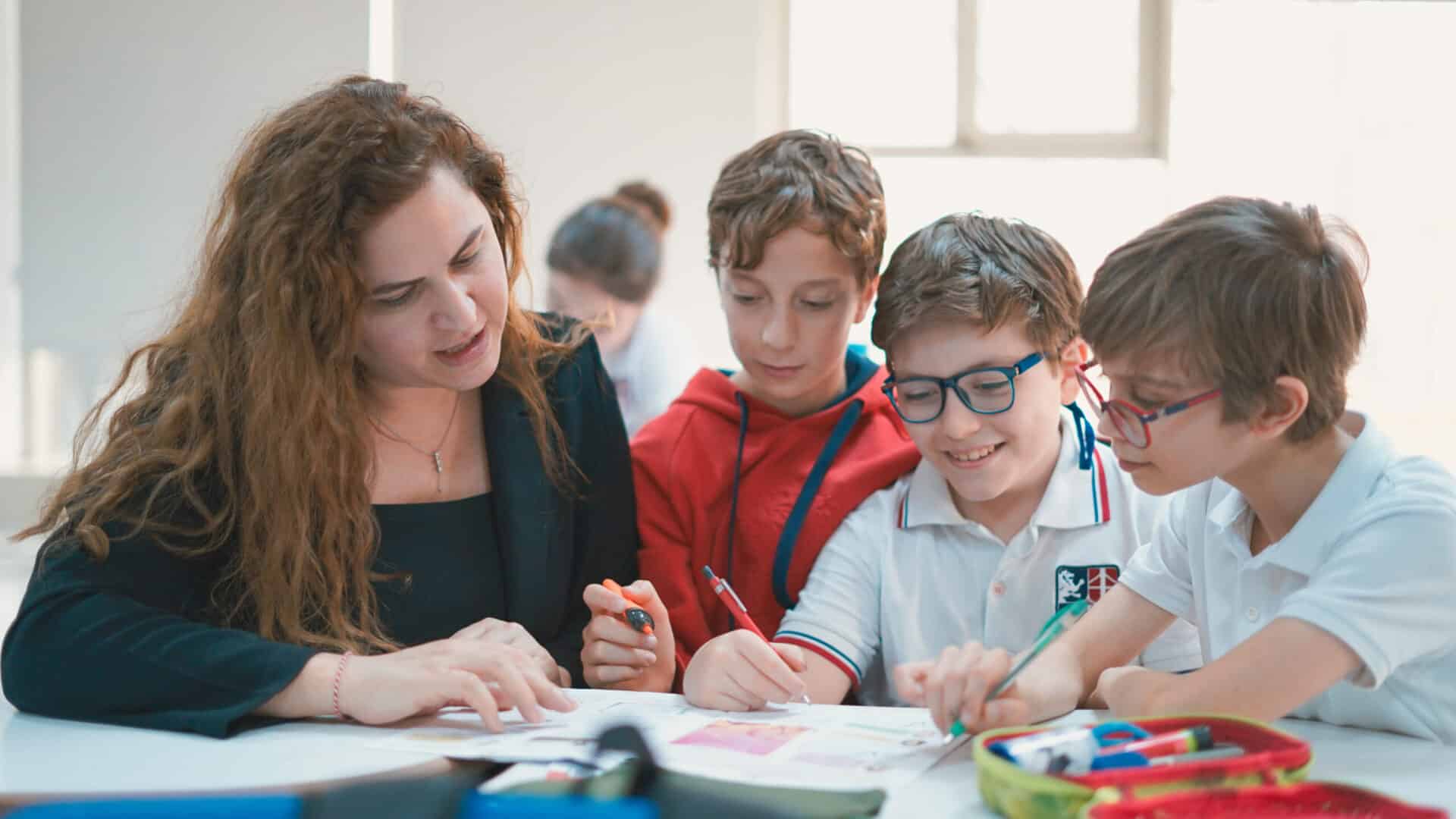
An international primary school is where the academic foundation and learning habits are formed. At Gökkuşağı our aim is for your child to learn not only to read and write, but to wonder, to inquire and to love learning.
With the IB Primary Years Programme (PYP; at our Ataşehir, Bahçelievler and Bahçeşehir campuses) and Cambridge we offer an inquiry-based education to international standards. Dual foreign language (English and Spanish) develops the four core skills in balance.
Alongside academics, social skills, art, sport and values develop as a whole, supported by CAP activities and guidance.
What we focus on at this age
Every level has different priorities. The four areas we value most in your child's development during Primary School.
- I
A Love of Learning
Your child experiences learning not as an obligation but as an enjoyable journey of discovery.
- II
A Strong Academic Base
A foundation in reading, writing, mathematics and inquiry to international standards.
- III
Dual Foreign Language
English and Spanish; the four core language skills develop in balance from an early age.
- IV
Social Skills and Values
Sharing, cooperation and responsibility grow with CAP and guidance support.
A Primary School student's journey
Take a closer look at the programmes that shape your child's development during Primary School.
Today’s foundation, tomorrow’s confidence
Across eight campuses since 1997 we have seen that the reading culture, love of learning and study habits gained in the primary years shape your child’s entire educational life. That is why we build the foundation not only academically, but emotionally and socially too.
With guidance and psychological counselling support, your child grows into a confident, happy individual alongside their academic development.
Primary School questions answered
The IB Primary Years Programme (PYP; at our Ataşehir, Bahçelievler and Bahçeşehir campuses) and Cambridge provide an inquiry-based education to international standards. These programmes enrich the national curriculum with an international framework.
Inquiry-based learning places the child’s curiosity at the centre of learning. Rather than memorising, the child acquires knowledge through discovery, turning reading and learning into an enjoyable experience.
No. At this age languages are acquired naturally, through play and real communication. English and Spanish develop the four core skills (reading, writing, speaking, listening) in balance.
Alongside academic development, social skills, values and emotional growth are also a priority. CAP activities, art and sport, together with guidance and psychological counselling, support this development as a whole.
Fees vary by campus, by the international programmes offered and by additional services such as transport and meals. A sibling discount and an early enrolment advantage apply; the current fee list is shared at the enrolment meeting.
We offer scholarships for academic achievement, for exceptional talent in sport and the arts, and on the basis of need. Our campus advisors can share the assessment calendar.
Homework is set to the extent that it reinforces the day’s learning; the aim is for the child to revisit school at home, not to spend the whole evening on homework. The class teacher plans the workload weekly and shares it with the family.
Our school bus network covers the district where the campus is located and the surrounding neighbourhoods. Meals are prepared daily in our campus kitchen, and the menu is planned under a dietitian’s supervision.
Let's plan your Primary School journey together
Fill out the form and our advisors will call you about our Primary School programme, campus options and the admissions process. We'd also be glad to welcome you for a campus visit.
See this level in person.
The best way is to visit one of our campuses and experience this education first-hand. You can also explore our programmes.
Primary School: a guide for parents
We have gathered the questions parents ask most often about this school level. Tap a heading to read the answer.
Choosing a private primary school shapes the period in which your child moves into reading and writing and forms their first learning habits. At this age, as much as academic pace, it matters that the child loves school, can express themselves and builds a secure bond with their teacher.
Class size, how long the teacher stays with the class, weekly foreign language hours and how the guidance service works are the concrete points to consider when deciding. A match between the school’s values and your family’s approach also makes a difference in the long run.
- Class size and the number of pupils per teacher
- How the reading and writing process is planned
- Weekly foreign language hours and how the language is taught
- The range of clubs and subjects, and how well it matches the child’s interests
- Homework policy and how often the school communicates with families
Private primary school fees vary by campus, by the international programmes offered and by additional services such as transport and meals. For a fair comparison, it helps to add these items to the annual fee.
A sibling discount and an early enrolment advantage apply, and we offer scholarship categories for academic achievement, exceptional talent in sport and the arts, and financial need. The current fee list and scholarship conditions are shared at the enrolment meeting.
In primary school the Ministry of National Education curriculum runs together with the Cambridge International programme; at our Ataşehir, Bahçelievler and Bahçeşehir campuses the IB Primary Years Programme (PYP) approach is added. The PYP builds learning on inquiry: rather than memorising a topic, the child moves forward by asking questions and researching.
The Cambridge programme places English within a measurable framework, and during the year the child is assessed against international standards. Together, the two programmes provide both a strong language foundation and a habit of research.
Our career planning map begins in primary school: the child meets different fields, their strengths are observed, and the guidance service shares these observations with the family. The aim is not an early career choice but for the child to get to know themselves.
Global citizenship work progresses through the themes of cultural diversity, responsibility and collaboration. Through social responsibility projects and MUN-style activities, the child becomes aware of the wider world at an early age.
The most visible difference is class size: in a private primary school the teacher works with fewer pupils, so each child’s reading and writing progress can be followed individually. Weekly foreign language hours and workshop and laboratory facilities also tend to favour private schools.
The strength of a state school is that it is free and brings together children from a wider socio-economic range. When deciding, it helps to weigh your child’s learning pace and social needs together.