The international leaders of the future are growing
Through multifaceted programmes to international standards, we raise a sensitive, well-equipped and leadership-spirited generation.
A well-equipped, leadership-spirited generation
International education in Turkey, with IB and Cambridge authorisation: gökkuşağı Schools raises individuals who express themselves effectively in more than one language, think creatively and critically, are sensitive to social and global issues and take initiative.
Students with intellectual depth, a mindset of continuous development and an international vision make a difference wherever they are, through strong communication and collaboration skills. We treat leadership not as a title, but as a way of standing in the world.
Six core qualities
The six core leadership qualities we develop in our students throughout our programmes.
Discipline
Steady Progress to GoalsProgresses towards goals in a regular, structured and consistent way.
Self-Confidence
Belief in OneselfTakes responsibility, trusting their abilities and ideas.
Vision & Mission
A Clear DirectionHolds a clear direction and purpose for the future and acts accordingly.
Motivation
Inner DriveHas the inner drive and determination to bring ideas to life.
Openness to Growth
Continuous LearningIs open to continuous, interdisciplinary learning and renewal.
Communication
Effective ExpressionPositively influences those around them through strong expression and interpersonal effectiveness.
Leadership is learned through programmes, not lectures
To discover a leadership side, a student first needs an area of responsibility. Our programmes open that area: research, stage, field and community.
IB Diploma Programme
Through the extended essay, theory of knowledge and service components, students frame their own question, defend it and share the outcome.
Explore ProgrammeCambridge Programme
English and an inquiry-led curriculum to international standards; students gain the confidence to defend an idea in another language too.
Explore ProgrammeCAP Innovative Programme
43 branches across sport, arts, technology and volunteering. Students discover their interests and learn to take responsibility within a team.
Explore ProgrammeDual Foreign Language
A second foreign language alongside English. Thinking in another language brings another perspective with it.
Explore Programme
Names who walked the same programme
The IB Diploma Programme is a path taken by hundreds of thousands of students worldwide. The names below are among its best known graduates.
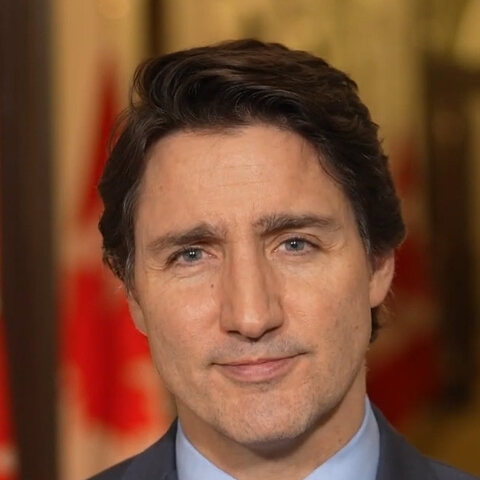
Justin Trudeau
Former Prime Minister of CanadaHe taught before entering politics and says the IB gave him strong communication skills and the habit of staying calm under pressure.
IB Diploma · Collège Jean-de-Brébeuf, Canada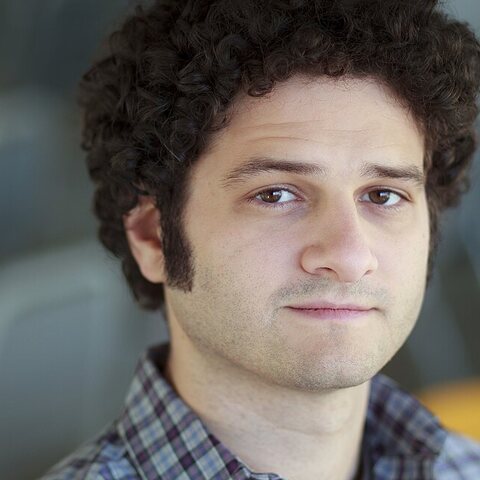
Dustin Moskovitz
Entrepreneur, Facebook co-founderA co-founder of Facebook who later founded the teamwork platform Asana; he credits his IB years for learning to work under intense pressure.
IB Diploma · Vanguard High School, USA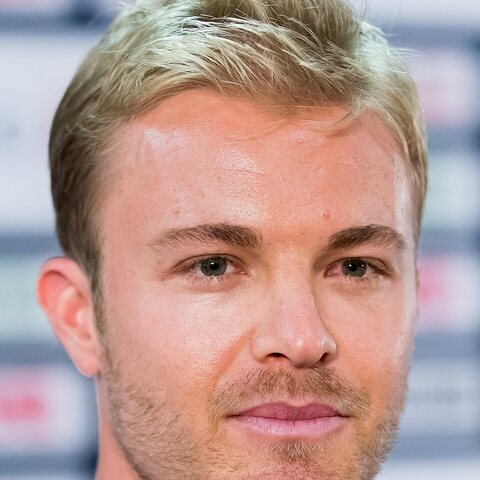
Nico Rosberg
Formula 1 world championThe 2016 Formula 1 world champion who turned to sustainable technology investment after retiring from racing.
IB Diploma · International School of Monaco (2003)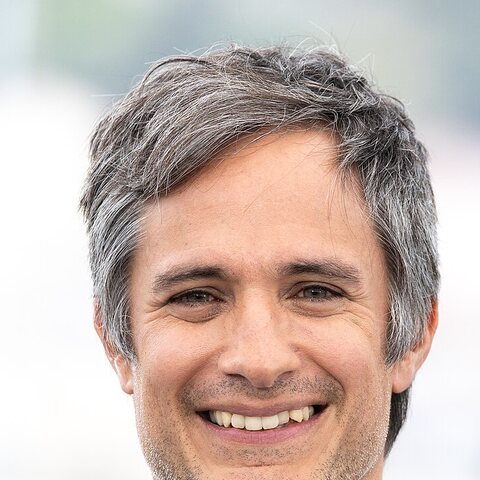
Gael García Bernal
Actor and director, MexicoA Golden Globe winning Mexican actor and director known for films such as The Motorcycle Diaries and Babel.
IB Diploma · The Edron Academy, Mexico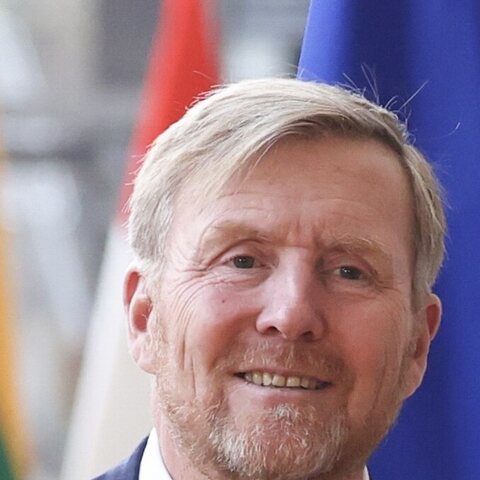
King Willem-Alexander
King of the NetherlandsHe acceded to the Dutch throne in 2013 and is known for his work on water management and international development.
IB Diploma · UWC Atlantic College, Wales (1985)
These individuals are not Gökkuşağı Schools graduates; they are shared as examples of graduates of the same international programme worldwide.
Fotoğraflar: Wikimedia Commons · Justin Trudeau (Justin Trudeau – Prime Minister of Canada · CC BY 3.0) · Dustin Moskovitz (Dustin Moskovitz · CC BY-SA 3.0) · Nico Rosberg (Sven Mandel · CC BY-SA 4.0) · Gael García Bernal (Martin Kraft · CC BY-SA 4.0) · King Willem-Alexander (European Union · Attribution)
Our students at universities around the world
Our graduates study at universities from Birmingham to Manchester, from Turin to Barcelona. Hear their stories in their own words.
Meet our graduatesProgrammes that teach leadership by living it
The IB (International Baccalaureate), Cambridge education and the CAP Innovative Programme open up cultural, sporting and social development alongside academic strength. Leadership is thus learned by living it, inside and outside the classroom.
Leadership education frequently asked
No. Leadership grows wherever a student takes responsibility: a classroom project, a CAP branch, an MUN committee, a community service initiative. We multiply those areas and invite students to take a role.
No, and we do not set that as a goal. Our aim is for children to find their own voice: some step forward and direct, others stand back and build the structure. Both are forms of leadership.
The IB Diploma is recognised worldwide and many universities treat it as a distinct category in admissions. The extended essay and service components add concrete substance to an application.
Our guidance team follows the responsibilities taken, project outcomes and peer relationships throughout the year and shares these observations with student and family during career map meetings.
MUN conferences, international olympiads and programmes such as the Duke of Edinburgh give our students the chance to represent and benchmark themselves beyond school.
Discover the programmes that raise leaders.
Take a close look at our students' well-rounded development through our IB, Cambridge and CAP programmes.
Leadership and international education guide
The greatest contribution of international programmes is that they train students towards a reasoned interpretation rather than a single correct answer. The IB extended essay or the Cambridge inquiry-led approach force a child to choose sources, weigh them and defend their own conclusion.
This habit is not acquired suddenly at university. A student who has framed their own research question in high school starts a step ahead of their peers, and that difference shows in international applications too.
Leadership is learned by being given responsibility, not by being told about it. Running a club, representing a country at an MUN committee, carrying a social responsibility project from start to finish: each teaches decision-making, persuading a team and standing behind an outcome.
The teacher’s role here is to open space, not to direct. Given real responsibility where mistakes are possible, children see both their limits and their strengths. Our guidance team observes this process and shares it with families.
The most effective support is taking your child’s responsibility seriously. Asking about the outcome of a club project rather than treating it as an extracurricular pastime encourages the child to invest in these areas.
The second is patience: leadership is not an early talent but a habit built through trying. Stepping back after a first attempt is normal; what matters is keeping the door open for the second.