
Children who grow up on stage
Performing Arts brings drama, acting, dance, movement, music, opera and voice together in a single course. At Gökkuşağı Schools every student finds their own voice, learns to express themselves and genuinely steps onto the stage at the end of the year.
From ancient Greece to today, the oldest arts education
The performing arts are one of the oldest and most enduring forms of arts education in history; their roots reach back to the ancient Greek stage and they still sit at the centre of the curriculum in the world’s most selective schools. A child reaches their full potential not by being confined to a single subject, but through a balanced education across the arts, the humanities and the sciences.
The course is built from drama and acting, dance and movement, and music with opera and voice. Students work on clear speech and diction, breath and voice, improvisation, basic acting, gesture and expression, dramaturgy, public speaking, dance and choreography, following a unit-based annual plan written for their own age group.
Our aim is not simply to train actors. It is to raise happy, well-rounded children with developed creative skills, strong emotional intelligence and wide imagination. The self-confidence, collaboration and empathy learned on stage stay with a child for life.
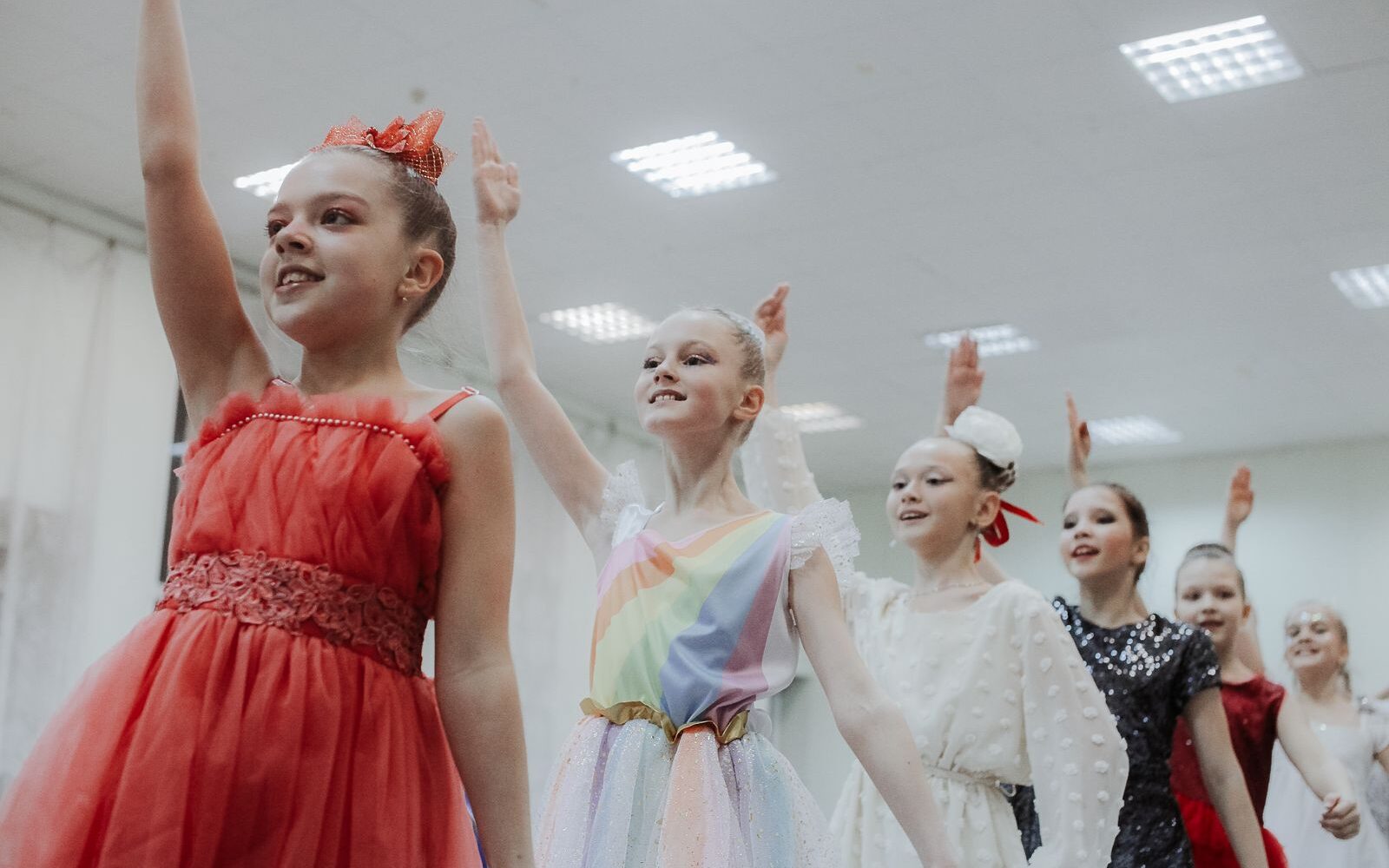
A planned curriculum, a real stage
Three core forms, a unit-based annual plan written for each grade, interdisciplinary design and a genuine performance at the end of the year; the four foundations that make this course strong.
- I
Three Core Forms
Drama and theatre, dance and movement, voice and intonation. The course is built on these three forms; each is studied practically, with its own technique, from the very first week.
- II
An Annual Plan for Each Grade
Separate unit-based annual plans for grades 1-2, 3-4 and 5-6; the objective, topic, method and assessment of every single week are defined in advance.
- III
Interdisciplinary Design
Literature, music theory, body awareness and sustainability meet in the same lesson. A World Water Day sketch or an improvisation built on the sounds of nature are concrete examples.
- IV
A Real Stage at Year’s End
The year closes with a performance in front of an audience. Every step of the production, from casting and choreography to set and costume, is carried out together with the students.
Four disciplines, one stage language
Drama and acting, dance and movement, music with opera and voice, and musical theatre. Each discipline is studied with its own technique, and at the end of the year they all meet in a single performance.
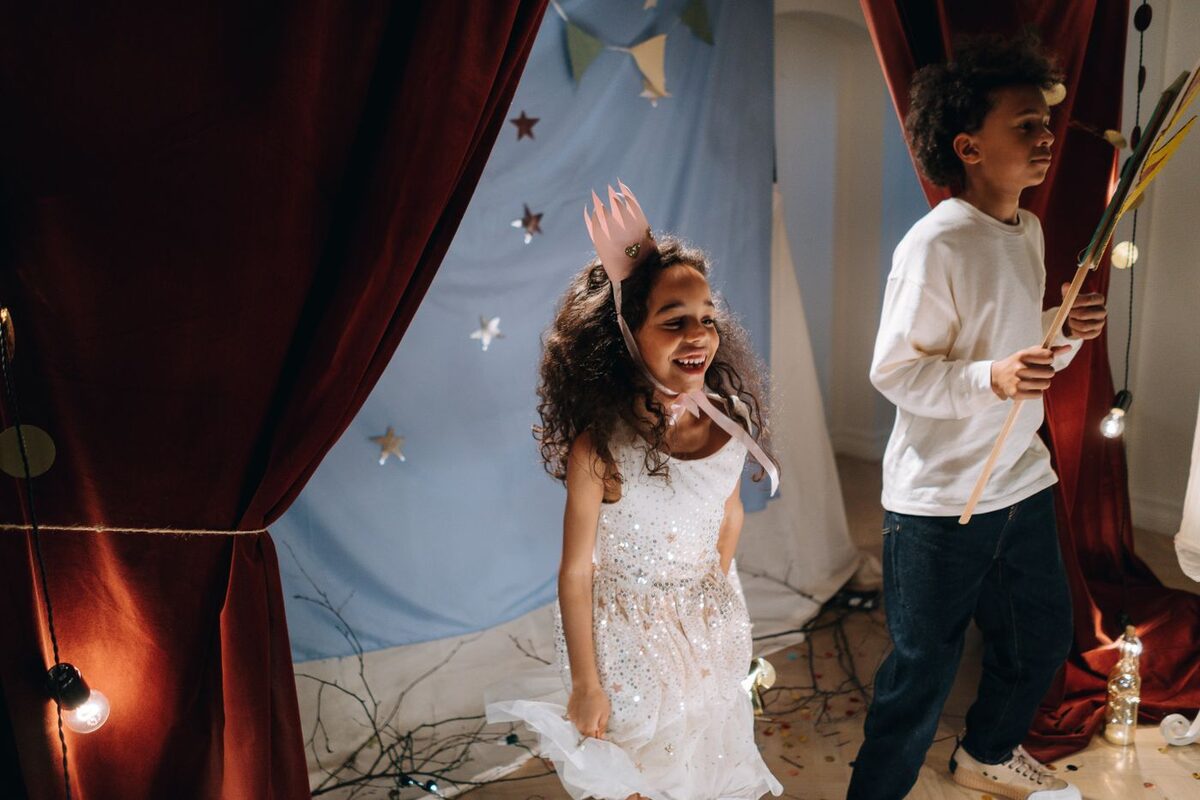
Drama and Acting
Basic acting, improvisation and character work. Students learn not merely to deliver a line, but to deliver it with the right emotion and the right body.
- Basic acting and improvisation
- Emotional transitions, gesture and expression
- Theatrical genres · tragedy, drama, comedy, mime
- Character analysis and the 5W1H method
- Sketch writing and play study
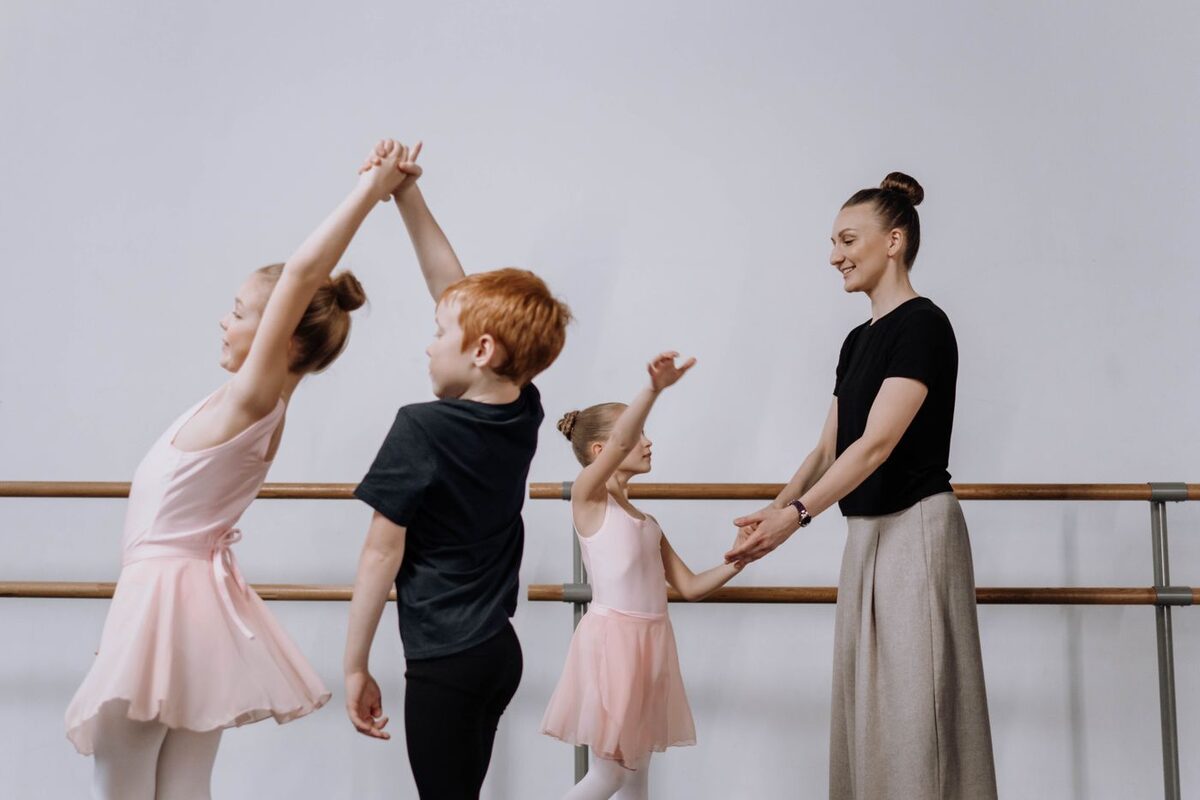
Dance and Movement
A progression from body awareness, balance and coordination through to choreography. Here movement is not decoration; it is the narrative itself.
- Basic posture and stage presence
- Hand, arm and leg coordination exercises
- Sense of space, time and weight
- Synchronised and non-synchronised choreography
- Lyrical movement and theatrical dance
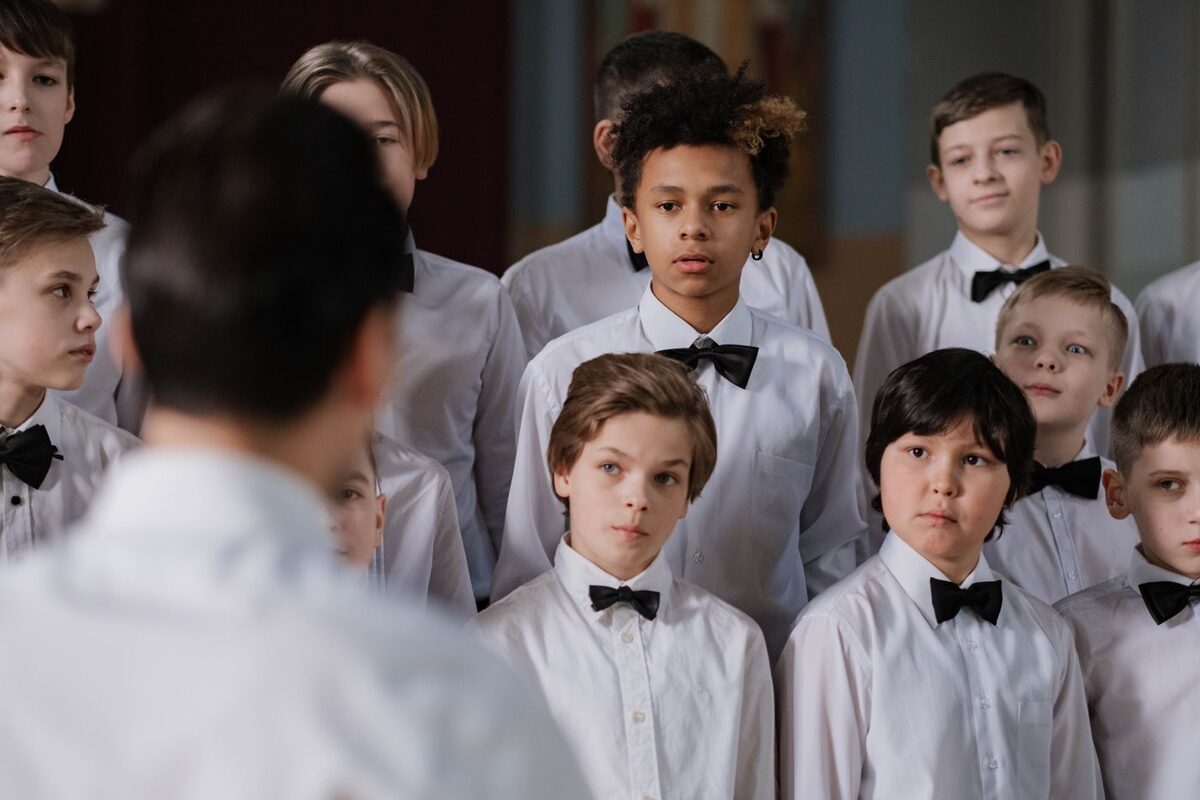
Music, Opera and Voice
Training in voice, breath and intonation. Students come to know their own vocal range and learn to speak clearly and sing accurately at the same time.
- Diaphragm, breathing and vocal warm-up exercises
- Voice types · soprano, tenor, baritone, bass
- Letter, emotion and pitch intonation
- Notation and musical terminology
- Canon and multi-part choral work
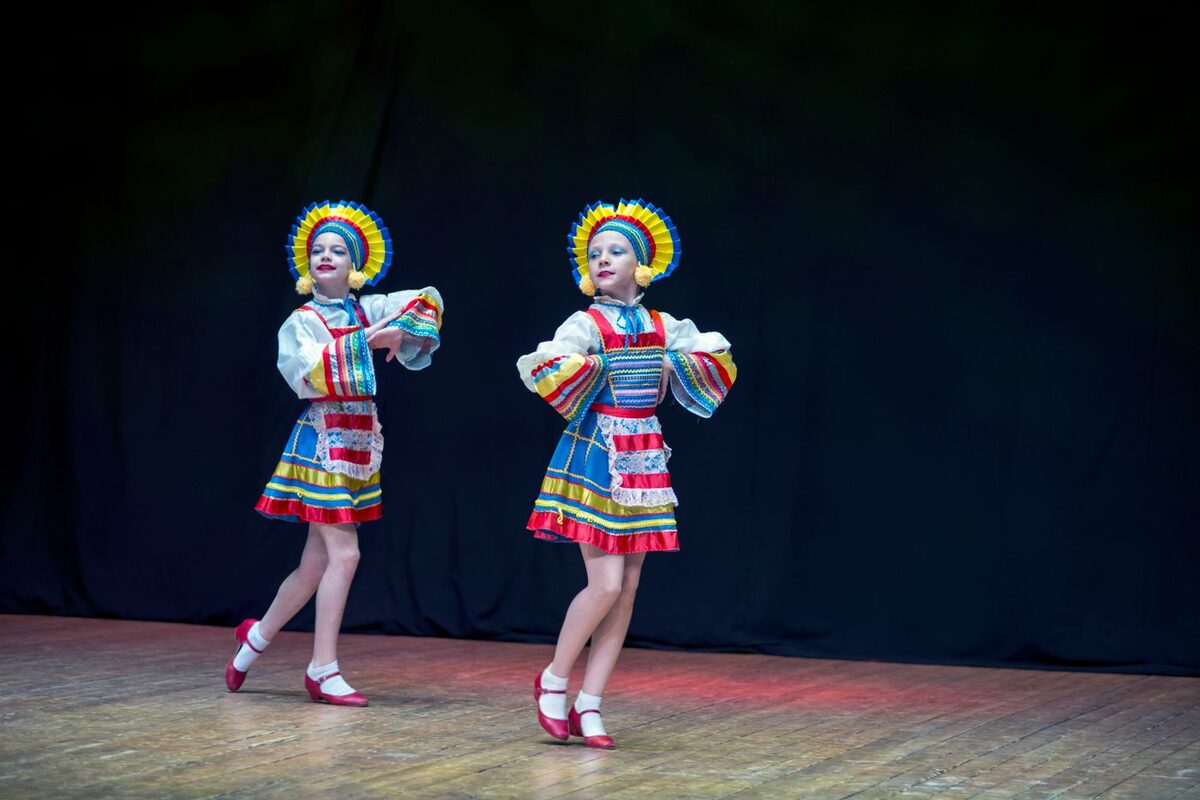
Musical Theatre
The form in which words, music and movement meet in one narrative. This is where the three disciplines converge and the end-of-year performance takes shape.
- The unity of word, music and movement
- Choreography, tempo and intonation
- Storytelling on stage
- Children’s adaptations of world classics
- Staging the end-of-year performance
An ancient tradition, a planned programme
- 0Core disciplines · drama, dance, music-voice and musical
- 0Weeks in the unit-based annual lesson plan
- 0Grade levels with a curriculum of their own · 1-6
- 0+Years of tradition reaching back to the ancient Greek stage
When the curtain falls, what remains?
Whatever role they played on stage, students who take Performing Arts carry the following qualities into their everyday lives.
Self-Confidence
A confident child expresses themselves more easily. Even after weeks of rehearsal, standing in front of an audience takes courage; that courage is earned on stage and used in the classroom and in life.
Collaboration
In a stage performance there is no winner or loser. The only victory is everyone building the best possible show together, and students learn to weigh their own contribution through the success of the ensemble.
Empathy
Portraying a character unlike yourself means stepping into another life. Students learn to respect difference and embrace similarity by living it, not by studying it in theory.
Expression and Public Speaking
Work on clear speech, diction, breath and intonation produces students who can present, defend an idea and keep their voice steady in front of a crowd.
Creativity
Improvisation, imagery and sketch writing exercise the imagination like a muscle. Students get used to producing their own solution instead of looking for a ready-made answer.
Responsible Character
Children who receive quality stage arts education grow into individuals more attentive to society, to nature and to those around them. The discipline and respect learned on stage continue off it.
From the foundations to the stage
A separate unit-based annual plan for each grade level carries the student step by step, from the very first name-and-movement activity to the end-of-year performance.
- Introduction and body
Grades 1 and 2 · Foundations
The year begins with name and movement activities; posture, letter and name intonation, recognising gestures and the basics of the three core forms are studied. It closes with first in-class stage attempts.
Meeting the stage - Technique and production
Grades 3 and 4 · Role and Sketch
Stage technique and the elements of theatre, the mirror exercise, operatic terminology and shadow art. Students now write their own sketch and stage it with their own set and costume.
First script, first sketch - UNESCO design
Grades 5 and 6 · Musical and Analysis
Performing arts from around the world, the influence of nature on art, musical terminology and posture. Children’s texts of works such as Shakespeare’s A Midsummer Night’s Dream are read and characters analysed with the 5W1H method.
Text analysis - Production
Stage · End-of-Year Performance
Casting, choreography and musical mapping, set and costume work and the Italian run-through. The year is completed with a performance staged in front of an audience.
Curtain up
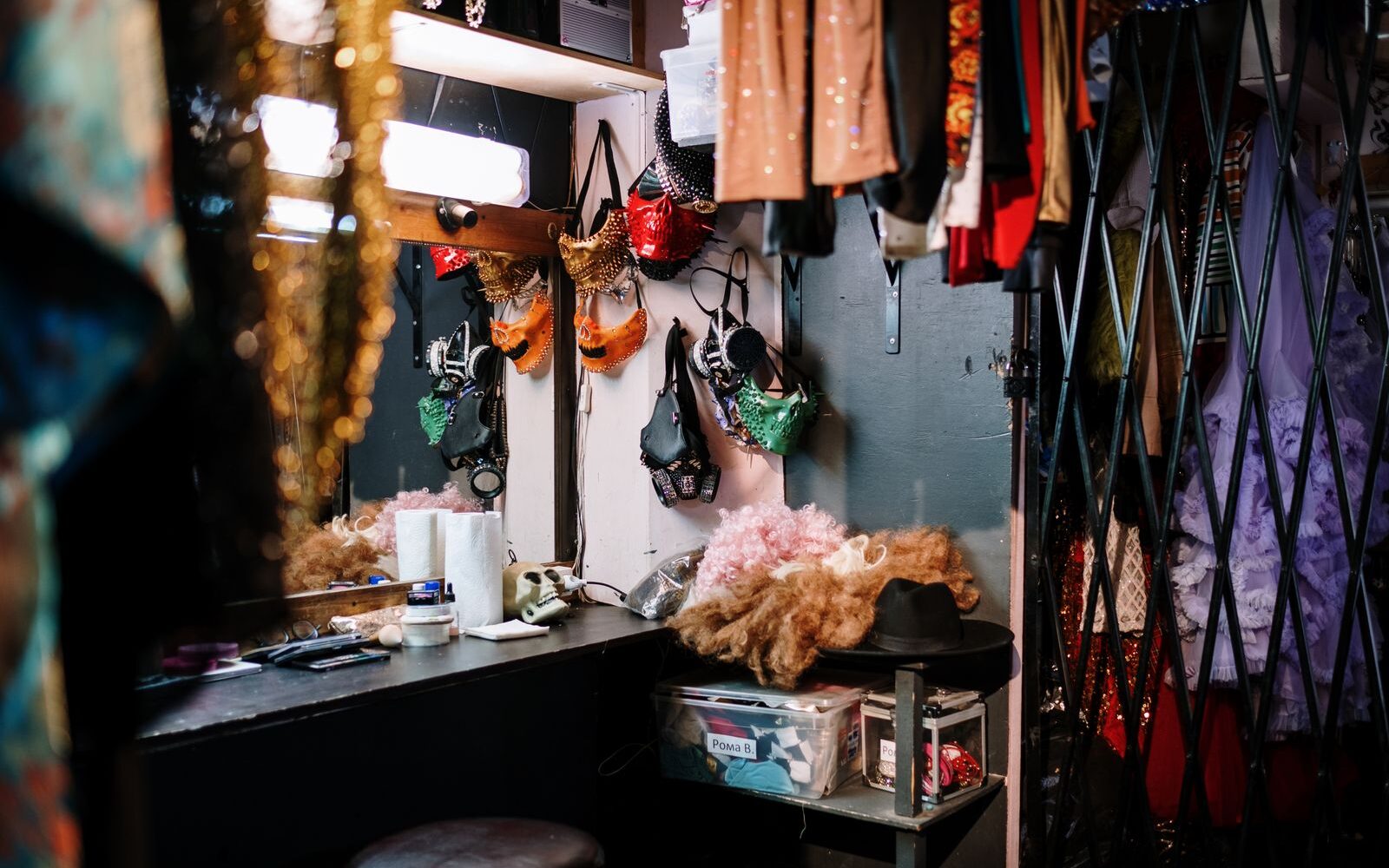
What happens behind the curtain is part of the course
A performance is not just the forty-five minutes that happen on stage. In this course our students also learn how a set is built, how costume changes according to the theatrical genre, and how a play is brought to its audience.
Costume defines the character and the set defines how the audience will feel; together they carry the spirit of the work. That is why backstage is taken as seriously as the stage itself.
- Set design and construction
- Costume by theatrical genre
- Lighting, sound and stage layout
- Promoting the play and reaching an audience
- The discipline of the Italian and dress rehearsals
The stage is society’s mirror
A student who studies the performing arts learns to express themselves, to be part of an ensemble and to think from someone else’s position. These gains do not stay on the stage; they travel into the classroom, the home and the whole of life.
Children who take this education alongside their academic subjects acquire, at an early age, the very qualities sought by the world’s most selective schools and universities: confidence, collaboration, empathy and creative thought.
You will never find a rainbow if you are looking down.
Frequently asked questions about Performing Arts
Performing Arts is a practical course that brings together drama, acting, dance, movement, music, opera and voice. It covers clear speech and diction, breath and voice, improvisation, basic acting, gesture and expression, dramaturgy and public speaking.
The course runs in primary and lower secondary school. There are separate unit-based annual plans for grades 1-2, 3-4 and 5-6, each designed around the developmental level of that age group.
No. The course is not designed to select talented children but to let every child express themselves. Work begins with very simple steps such as name and movement activities, and each student progresses at their own pace.
It is particularly suitable. Performing arts education gives a child the chance to step outside their comfort zone and practise in a safe environment. Self-confidence, self-respect and self-awareness are the qualities that develop most in this course.
Assessment is based on process rather than written examinations. Every week in the annual plan carries its own method, technique and assessment heading; narration, improvisation, individual and group work and stage practice are all assessed together.
Yes. The year is completed with a performance staged in front of an audience. Script readings, character analysis, casting, choreography, set and costume work are all organised around this performance in the second half of the year.
On the contrary, it supports them. Clear speech, listening, text analysis, memory, collaboration and public speaking feed academic performance directly. A balanced education across the arts, the humanities and the sciences is how a child reaches their full potential.
Let us help your child find their voice
Fill in the form and our advisors will call you with information about our Performing Arts course and the enrolment process.
Discover our artistic and academic strength together.
Alongside Performing Arts, explore our student life and international programmes as well.