The Duke of Edinburgh’s International Award: Levels, Sections and What Students Gain

What is the Duke of Edinburgh’s International Award, who can take part, and how do the Bronze, Silver and Gold levels work? The four sections, the Adventurous Journey and what young people gain.
Picture a teenager who plays chess with residents of a care home every week, turns up to swimming practice without fail, is learning the guitar and, at the end of the summer, sets off with friends on a hike along a route they mapped themselves. None of this shows up in an exam grade. Yet all of it says something about who they are. The Duke of Edinburgh’s International Award, known as DofE, is a programme built to do exactly that: it gives young people’s efforts outside the classroom a clear structure, ties them to goals and recognises them with an award known around the world.
What is the Duke of Edinburgh’s International Award?
The Duke of Edinburgh’s International Award is a youth development programme founded in 1956 by Prince Philip, Duke of Edinburgh, and the educator Kurt Hahn. Today it runs in more than 130 countries and territories and is open to young people aged 14 to 24.
The idea is simple. A young person sets a goal in four different sections, works at it regularly over a set period and records the process with the help of a mentor. When the time is complete and the goals have been met, they receive their award. It is not a competition, and nobody is measured against anyone else. Each participant is assessed on how far they have progressed from their own starting point. You can read how the programme runs at our school on our Duke of Edinburgh Award page.
The four guiding principles
- Voluntary: Taking part is not compulsory. Young people choose to start the journey, and they choose their own activities.
- Non-competitive: The Award is not a ranking. The measure is the young person’s own growth.
- Accessible to all: There is no academic or talent requirement.
- Focused on personal development: The aim is for young people to discover their potential and build character.
DofE award levels: Bronze, Silver and Gold
The Award has three levels. Each one asks for a longer commitment and a deeper level of dedication than the one before. Participants can also start directly at Silver or Gold; in that case the required time frames are somewhat longer.
| Level | Minimum age | Minimum duration | Key feature |
|---|---|---|---|
| Bronze | 14 | At least 6 months | The first step, built on regular commitment across the four sections |
| Silver | 15 | At least 6-12 months | Longer time frames, more responsibility and resilience |
| Gold | 16 | At least 12-18 months | A Gold Residential Project in addition to the four sections |
The Award must be completed before the participant’s 25th birthday. This makes the high school years the ideal time, especially for Bronze and Silver. Some students complete Gold while still at school; others carry it into their first years at university.
The four sections
The same four sections are completed at every level. Participants choose their own activities and can use what the school offers as well as clubs and organisations outside school. Each section calls for regular effort of around an hour a week on average. What counts is not one big push but consistency over months.
1. Voluntary Service
The young person takes part regularly in work that benefits the community, without expecting anything in return. Volunteering at an animal shelter, helping younger pupils with reading, joining an environmental project or spending time with elderly people are all examples. This section builds empathy and a sense of social responsibility.
2. Physical Recreation
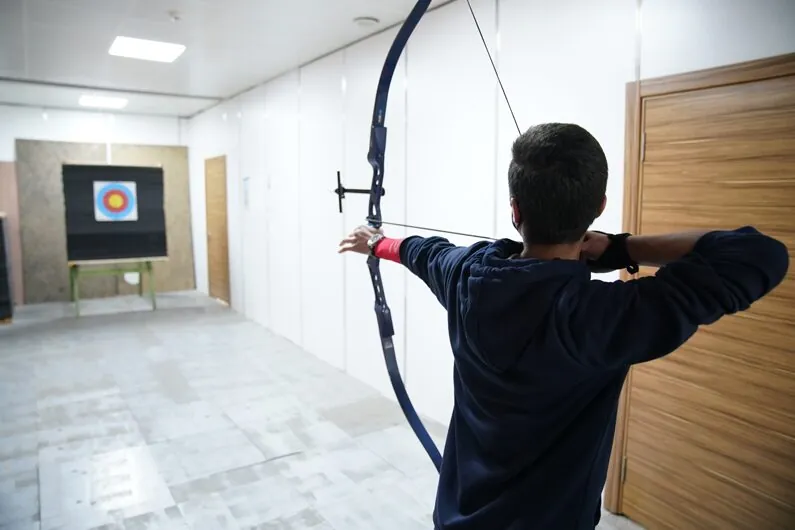
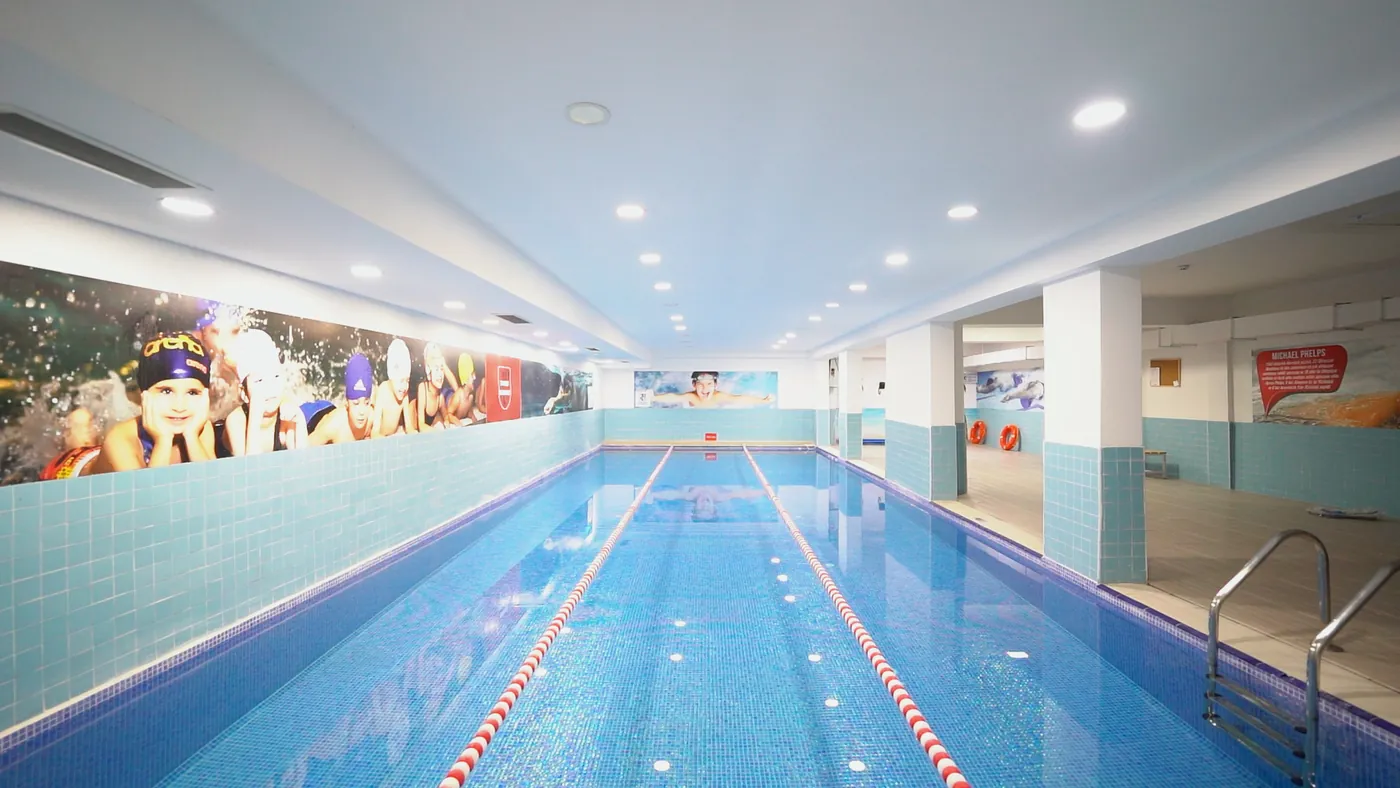
Any sport or physical activity counts: swimming, basketball, dance, running, archery, climbing and more. The aim is not to become an athlete but to build a habit of regular exercise and improve on one’s own performance. A student who plays in a school team can count that training towards this section.
3. Skills
This means learning a new skill or deepening an existing interest: a musical instrument, photography, coding, cooking, chess, a foreign language, theatre and so on. This section teaches young people to stay committed to something over a long period and to track their own progress.
4. Adventurous Journey
This is the part of the programme people remember most. Working in a small team, participants plan and complete a journey of exploration: they choose the route, prepare the equipment, plan the meals and make decisions together along the way. At Bronze the journey lasts two days and one night, at Silver three days and two nights, and at Gold four days and three nights. Training and practice journeys come before the qualifying journey, and safety is the priority at every stage.
The young person who reads the map, pitches the tent and encourages a tired teammate comes back from that journey a different person.
The Gold Residential Project
At Gold level a fifth section is added to the four: the young person spends at least four nights away from home, usually with people they have not met before, working together on a shared purpose. An environmental conservation camp, a language or arts workshop or a community service project can all count towards this section. The experience asks young people to adapt to an unfamiliar setting and to work alongside new people.
How does the process work?
- Registration and an Award Leader: The young person registers for the programme and meets the Award Leader who will guide them throughout.
- Setting goals: For each section they decide what they will do and what they want to achieve. Goals should be realistic but challenging.
- Regular activity and records: Activities continue over weeks and months, and progress is logged in the online record system.
- Assessment: In each section an assessor who follows the young person’s work writes a short report at the end.
- Adventurous Journey: After training and a practice journey, the qualifying journey is completed.
- The Award: Once every section is complete, the young person receives the award for their level and can move on to the next one.
What does the Award give students?
DofE’s greatest strength is that it builds, through real experience, the skills that are hard to teach in a classroom.
- Self-confidence: Sticking with a goal you set yourself for months and seeing it through gives a young person a real sense of “I can do this”.
- Resilience: Walking in the rain, carrying on in the weeks when motivation dips, finding a new way when the plan falls apart: these are experiences that pay off in every area of life.
- Time management: Balancing lessons, exams and four different sections teaches young people to plan their week.
- Teamwork and leadership: On the Adventurous Journey decisions are made as a team; everyone leads at some point and follows at another.
- Empathy and responsibility: Voluntary service helps young people see needs beyond their own world.
- Self-knowledge: Discovering what they enjoy, what they can sustain and where they struggle also helps later with choosing a degree and a career.
Does it help with university applications?
Yes. The Duke of Edinburgh’s International Award is recognised by leading universities and employers around the world. Universities, especially when assessing international applicants, want to see more than grades: what the student does outside the classroom, how committed they stay to something and which skills they have developed. DofE answers these questions with concrete evidence: months of regular effort, a process documented by assessor reports and an internationally recognised award.
The Award is also a strong source of stories for a personal statement. Rather than simply writing “I have leadership skills”, describing how you got a lost team back on the right route during the Adventurous Journey is far more convincing. For advice on using experiences like these, see our article How to Write an Effective Motivation Letter.
Will it affect schoolwork?
This is the question parents ask most often. The short answer is no; with good planning it does the opposite. The Award is personal and each young person moves at their own pace, so it is possible to ease off during exam periods and do more in the holidays. What is more, things students already do, such as school team training, music lessons or a club activity, can count towards the sections. Rather than becoming an extra burden, DofE brings order and purpose to a young person’s life outside the classroom.
Regular physical activity and meaningful volunteering are also known to be good for a young person’s mood and ability to focus. Time management, in turn, directly supports academic success. Our article on time management skills in children offers further guidance.
How can parents help?
- Let your child choose. When they decide which skill to develop and where to volunteer, they take ownership. Your role is to think through the options together.
- Make room for consistency. Setting aside a fixed slot in the weekly routine for these activities makes it easier to keep going when motivation dips.
- Let them be challenged. It is normal for them to come back from the Adventurous Journey tired, muddy and grumbling a little. That is exactly where the value of the experience lies.
- Talk about the process, not the result. Instead of “Have you got the award yet?”, ask “What happened at your volunteering this week?”
- Notice small steps forward. The three chords on the guitar at the end of the first month are the beginning of a song played months later.
DofE at Gökkuşağı Schools
The Duke of Edinburgh’s International Award is offered on all eight Gökkuşağı campuses: Ankara, Antalya, Bursa, İzmir and, in Istanbul, Ataşehir, Bahçelievler, Bahçeşehir and Beylikdüzü. Our students shape the Award around their own interests; they choose where to volunteer, which skill to develop and which adventurous journey to take on. The school’s sports, arts and club opportunities provide a natural foundation for the sections. For details on the levels, registration and how it all works, visit our Duke of Edinburgh’s International Award page.
Key takeaways
- DofE is a development programme founded in 1956, now running in more than 130 countries and open to young people aged 14 to 24.
- It has three levels: Bronze (14+, at least 6 months), Silver (15+, at least 6-12 months) and Gold (16+, at least 12-18 months).
- Four sections are completed at every level: Voluntary Service, Physical Recreation, Skills and the Adventurous Journey. Gold adds a Residential Project.
- There is no competition; each young person is assessed against their own starting point.
- It builds self-confidence, resilience, time management and leadership through real experience, and offers concrete evidence for university applications.
- It is offered on all eight Gökkuşağı campuses.
Frequently Asked Questions
What is the Duke of Edinburgh’s International Award?
The Duke of Edinburgh’s International Award is an international youth development programme founded in 1956 and running in more than 130 countries. Young people set goals in four sections, work at them regularly over a set period and, once they complete the process, receive a Bronze, Silver or Gold award.
Who can take part in the Duke of Edinburgh Award?
Any young person aged 14 to 24 can take part. There is no academic or talent requirement. The minimum age is 14 for Bronze, 15 for Silver and 16 for Gold, and the Award must be completed before the participant’s 25th birthday.
What is the difference between Bronze, Silver and Gold?
The levels differ in duration and commitment: Bronze takes at least 6 months, Silver at least 6-12 months and Gold at least 12-18 months. The Adventurous Journey also gets longer at each level. At Gold, participants also complete a Residential Project of at least four nights away from home.
What is the Adventurous Journey, and is it safe?
It is a journey of exploration that young people plan and complete in small teams. Training and practice journeys come before the qualifying journey, and the route, equipment and safety measures are prepared with instructors. Safety is the priority at every stage.
Does DofE help with university applications?
Yes. The Award is recognised by leading universities and employers around the world. It strengthens an application as concrete evidence of a student’s regular commitment outside the classroom and of their leadership and social responsibility skills.
Which Gökkuşağı campuses offer DofE?
All eight: Ankara, Antalya, Bursa, İzmir and, in Istanbul, Ataşehir, Bahçelievler, Bahçeşehir and Beylikdüzü.